.gif)
Every nonprofit we've worked with eventually asks some version of the same question: do we actually need a donor database, or is a good spreadsheet enough? The honest answer depends on what's actually breaking right now, not on what a salesperson tells you a database can do.
Here's what a donor database actually fixes. It keeps a full history of everyone who's given, so nobody on staff has to remember that a longtime donor gave $500 last spring and hates being called in the evening. It flags the person who gave every year for a decade and then quietly stopped, the kind of thing that's easy to miss in a spreadsheet with four thousand rows and hard to miss in a system built to notice it. It stops two staff members from sending the same donor two different asks in the same week, which happens more often than anyone wants to admit.
Here's what it doesn't fix. A database won't write a better thank-you note. It won't decide who should get a phone call instead of an email. It won't turn a vague fundraising plan into a good one. We've seen organizations spend real money and months of staff time migrating to a new system, expecting it to solve a strategy problem, then feel let down when the actual asking still isn't working. The system was never the problem. The plan was.
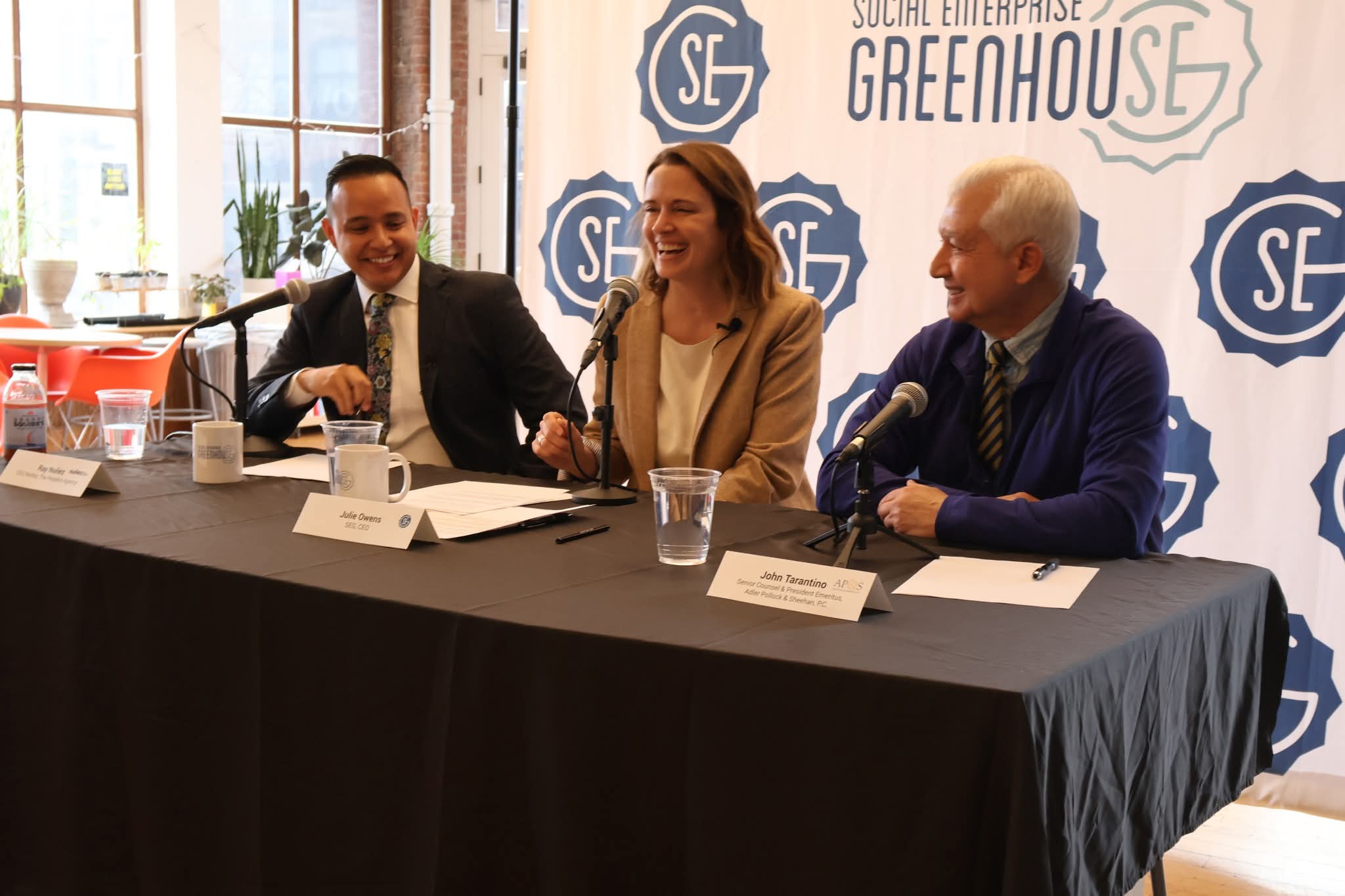
Organizations we've helped pick a system, places like Social Enterprise Greenhouse and Latino Policy Institute, usually weren't choosing between good and bad software. They were choosing between something that matched how their team actually works and something that looked impressive in a sales demo. Bloomerang tends to fit smaller, relationship-driven shops well. Givebutter works for organizations doing a lot of event and peer-to-peer fundraising. Neither is better in the abstract. One is better for you.
If you're trying to decide whether now is the time, ask a simpler question than which platform. Ask whether the thing actually breaking is information, you don't know who gave what, when, or why, or effort, you know, but acting on it takes too long. A database fixes the first problem well. It only helps with the second if someone actually uses it, which is a people problem before it's a technology one.
We usually get pulled into this conversation because a spreadsheet has already failed somebody publicly: a lapsed major donor nobody caught, a gala invite that went out twice, a thank-you letter three months late. That's a fine reason to fix it. Just go in knowing the software is the easy part. The plan for actually using it is the part worth spending real time on.
.jpg)



.jpg)


.jpg)



.gif)
.gif)